
Answers before the quote
CNC Cutting Machine FAQ: Process, Tooling, Materials and Shipping
A direct answer guide for buyers comparing oscillating knife cutting with laser, die cutting and manual production. The answers below are written for specification and procurement decisions, not as a generic product brochure.
- Process selection
- Tooling and specifications
- Shipping and support
FAQ
Choosing the process
What is a CNC oscillating knife cutting machine?
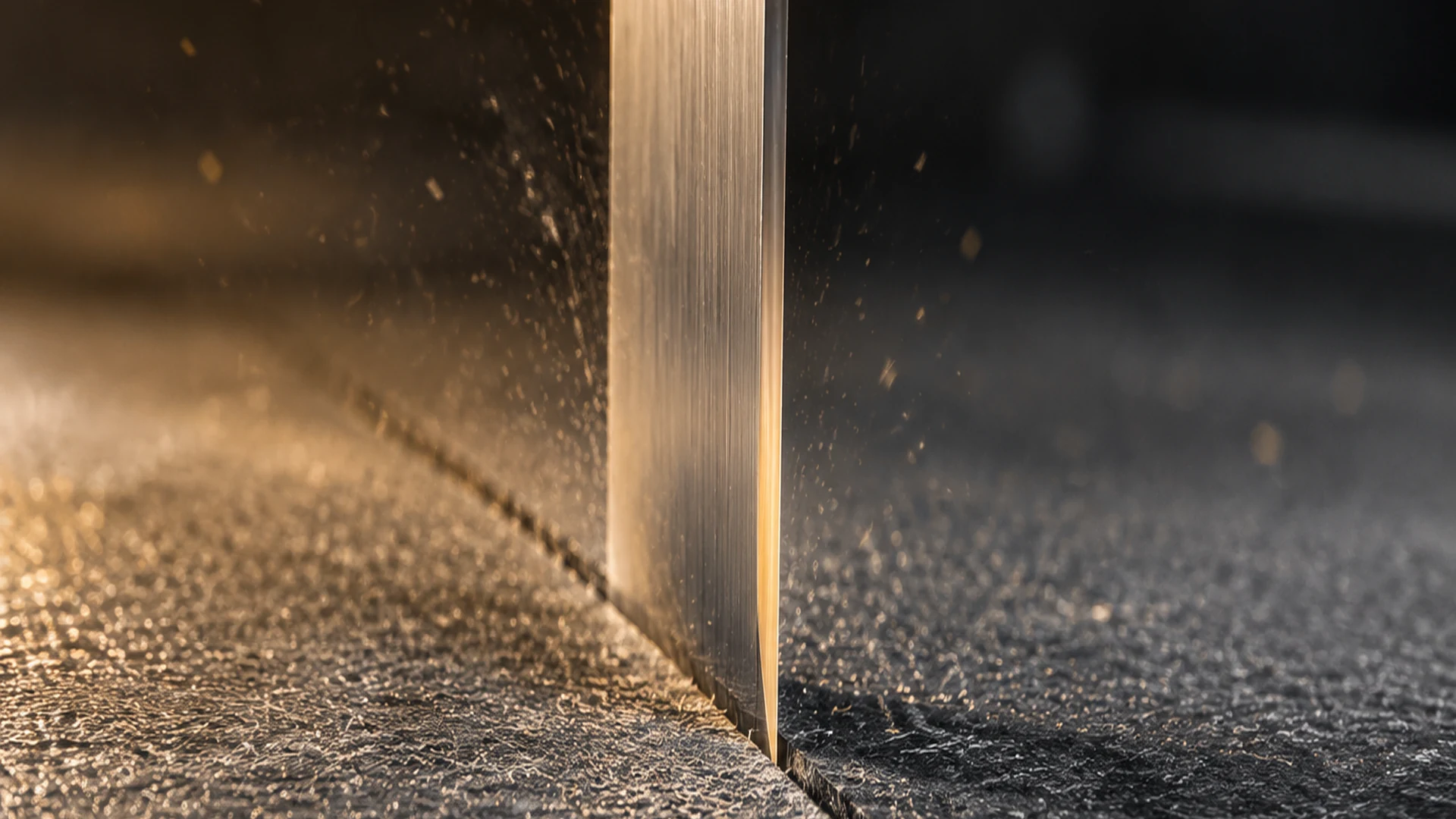
It is a digital flatbed cutter that moves a rapidly oscillating blade along a CAD path. The blade cuts flexible, fibrous and sheet materials without a steel die and without the heat of a laser.
Is oscillating knife cutting better than laser cutting?
It is better for many heat-sensitive materials such as leather, foam, PET felt, rubber, fabric and composite fabric. Laser can be better for thin rigid sheet, fine detail and some metals. The material and edge requirement decide the process.
When does die cutting still make sense?
When a shape is stable, the annual volume is high and the die cost is easily absorbed. Digital cutting is strongest for samples, short runs, frequent changes and multi-material production.
Can the machine cut metal or glass?
No. The Shilai oscillating knife range is designed for flexible, fibrous and suitable composite materials. Metal, glass, stone and cured laminate require a different cutting technology.
FAQ
Machine and tooling
How do I choose the table size?
Start with the largest sheet or nested marker, add handling clearance, then check the available floor space and shipping constraints. A custom table can be smaller or larger than the standard platform.
What affects the quoted price?
Working area, tool count, knife type, conveyor, vacuum zoning, vision or CCD, electrical configuration, documentation, packaging and shipping all affect the final price.
What file formats can the software accept?
DXF and PLT are common production formats. Designs are typically prepared in AutoCAD, Illustrator, CorelDRAW, Inkscape, SolidWorks or similar software. The exact workflow is confirmed for your drawing.
What maintenance does the machine need?
Daily checks cover the blade, table surface, vacuum and emergency stops. Weekly and monthly checks cover rails, racks, filters and calibration. A written schedule should be supplied with the machine.
FAQ
Materials
Can you cut my material before I order?
Yes. The cutting-test process uses your actual material and drawing. We record the tool and parameters and return the cut parts with a configuration recommendation.
What tolerance should I expect?
Published tolerance for suitable thin materials is ±0.1 mm. Thick, soft or compressible materials can move under the blade, so the practical result must be confirmed on the actual sheet.
Can the machine cut multiple layers?
Some textile and composite configurations can cut multiple plies. The practical layer count depends on material, thickness, vacuum and knife type.
Can the machine cut adhesive-backed material?
It can be configured for liner handling and kiss-cutting in some applications. Confirm the material construction and backing with a sample.
FAQ
Ordering and shipping
What is the usual lead time?
A standard configuration is often quoted at about 15 days from deposit; a custom configuration at about 30 days. The exact date is confirmed in the order.
What payment terms are available?
The quotation states the accepted currency and payment schedule. A deposit starts production and the balance is agreed before shipment.
Can I inspect the machine before shipment?
Yes. Video verification, a live video call or third-party inspection can be arranged depending on the order and destination.
Who handles shipping and import?
We quote the agreed shipping term and prepare the commercial documents. Import duty, local clearance and destination charges depend on the destination and are confirmed with the buyer or freight forwarder.
FAQ
Service and warranty
What warranty is included?
Shilai currently publishes a 3-year machine warranty. Wear parts and consumables are handled separately. The final terms are stated in the quotation and order confirmation.
Is installation support included?
Remote installation guidance and operator training are part of the support plan. On-site service can be quoted separately.
How do I get spare parts?
Share the model, serial number and part photo or number. Critical wear parts and consumables can be quoted for shipment.
Can I visit the factory?
Yes, subject to scheduling and the production plan. If travel is not practical, a live video factory walkthrough can cover the floor, build and cutting test.
Next step
Still need a specific answer?
Send the material, thickness, drawing and destination. The answer should be based on the actual job, not a generic FAQ.